
What are you looking for?
Where did you receive care?
-
MyVirginiaMason has been replaced with the CommonSpirit Patient Portal.
Learn more. -
Virginia Mason Medical Center & regional centers
Log in to Commonspirit Patient Portal > -
All other locations
Log in to VMFH MyChart >
Academics
Annual invited lectures
The Joel W. Baker, MD Lectureship in Surgery
Dr. Joel Baker began his general surgery internship at Virginia Mason in 1928 and devoted his entire career to serving our community of patients and training surgical residents. He is well-known for many advances in surgery including the Long Intestinal Baker Tube (1959) used to decompress small bowel after extensive adhesiolysis as well as the side-to-end Baker colorectal anastomosis. He became President of the American College of Surgeons in 1969 and had great influence in the field of general surgery for many generations. After his retirement from Virginia Mason in 1970, the department created a visiting lectureship in his honor with David C. Sabiston, MD, as the first professor and honoree in 1988. We are proud to continue this annual lectureship with the nation’s most renowned surgeons visiting our surgery department, spending time with our residents, and sharing their surgical expertise with us. We are delighted to uphold this tradition and recognize academic surgical excellence through our Joel Baker Annual Lectureship.
A few of the prior distinguished speakers include:
- 2025: Amy Hildreth, MD, FACS, Univ, of South Carolina – "Professionalism in Surgery: Evolving Beyond the Tradition"
- 2024: Cary B. Aarons, MD, MSEd; Columbia University Irving Medical Center – "Holistic Review in Residency Recruitment: Diversifying the Workforce"
- 2023: Jo Buyske, MD, DABS; American Board of Surgery – "From Case Logs to EPAs: Surgical Training in Evolution"
- 2022: Richard Schulick, MD, MBA ; University of Colorado – "Are we making progress with pancreatic cancer?"
- 2019: John R. Potts III, MD, FACS; ACGME – "1984"
- 2018: Leigh A. Neumayer, MD, MS, FACS; The University of Arizona – "Mentoring for the Next Generation"
- 2017: Herbert Chen, MD, FACS; University of Alabama at Birmingham – "Medullary Thyroid Cancer: From the Bench to the Bedside and Back"
- 2014: Clifford Y. Ko, MD, MS, MSHS, FACS, FASCRS; American College of Surgeons – "Achieving Reliable Care: Bench to Bedside"
- 2010: Nathaniel J. Soper, MD; Northwestern University – "Minimally Invasive GI Surgery: Past, Present, and Future"
- 2009: John G. Hunter, MD, FACS; Oregon Health & Science University – "Beyond Checklists, Time-Outs, and Antibiotics: The True Elements of Performance Enhancement in Medicine"
- 1999: John L. Cameron, MD; Johns Hopkins University – "Current Management of Pancreatic Cancer"
- 1996: Josef E. Fischer, MD; University of Cincinnati – "Nutritional Support in the '90s"
- 1989: Lazar J. Greenfield, MD; University of Michigan – "Current Concepts in Thromboembolization"
- 1988: David C. Sabiston, MD; Duke University – "Recent Advances in Surgery"
The John A. Ryan, Jr., MD Lectureship in Surgery
Dr. John Ryan joined Virginia Mason in 1977, attracted by two of his surgical heroes Drs. Joel Baker and Luke Hill. He is a renowned surgeon and distinguished educator serving Virginia Mason as program director for the general surgery residency program, section head for general surgery, and chief of the department of surgery. Throughout his career he was highly regarded for his technical mastery and pursuit of excellence in teaching. He has been recognized with numerous awards and held several leadership positions in the academic surgical community including President of the American College of Surgeons Washington State Chapter and the Seattle Surgical Society, and Historian of the Pacific Coast Surgical Association. Even during retirement, Dr. Ryan continues to be integral in our resident education program with his quest for presentation perfection in Ryan Rounds and philanthropic contributions to the program. In 2013, we established an annual lectureship in his honor to recognize Dr. Ryan’s contributions to the field of surgery, resident education, and Virginia Mason. Our honorees include Virginia Mason surgical residency alumni as well as nationally-recognized academic surgeons who possess the same qualities and passion for surgery as Dr. Ryan.
- 2024: R. Lawrence Moss, MD, FACS, FAAP; Nemours Children's Health – "Well Beyond Medicine: A Three Point Prescription to Fix Healthcare in America"
- 2023: Diana L. Farmer, MD, FACS, FRCS; UC Davis – "The Joy of Surgery and the Joy of Discovery"
- 2022: Gary Kaplan, MD; Virginia Mason – "Reflections on the Journey"
- 2019: Martin A. Schreiber, MD, FACS, FCCM, COL, MC, USAR; Oregon Health & Science University – "The History of Blood Transfusion: How Did We Get Where We Are and Where Are We Going?"
- 2018: Frank C. Detterbeck, MD; Yale School of Medicine – "The Changing Nature of Medicine: Patient, Doctors, and Judgement to Evidence, Systems, and Artificial Intelligence"
- 2017: Wen T. Shen, MD; UCSF, Mt. Zion Medical Center – "Trial By Fire: Caring for the Victims of The 1942 Coconut Grove Disaster at the Massachusetts General Hospital"
- 2016: Richard C. Thirlby, MD; Virginia Mason – "The Top 10 Reasons Why Medicine is a Great Career"
- 2015: Michael R. Harrison, MD; UCSF Medical Center – "Surgical Innovation is Fun: From Fetal Surgery to Magnets"
- 2014: James H. Holmes IV, MD; Wake Forest School of Medicine – "Modern Burn Care: Where Do We Go From Here"
- 2013: Steven C. Stain, MD; Albany Medical College – "Is Informed Consent an Oxymoron?"
Research
All of our categorical residents are involved in scholarly activity during residency. The available opportunities are abundant as we have at least eight clinical databases within our surgery department, as well as potential areas for collaborative work with other specialties. There are local funding opportunities through the Benaroya Research Institute and the Center for Digestive Health, in addition to faculty support for national grant applications. Many programs offer guidance and assistance with IRB submission and statistical analysis. Residents are encouraged to present their work at local, national and international meetings. GME will fund travel and expenses to present at these venues for residents involved in research.
For more information about academic activity at Virginia Mason in general, visit residencies, fellowships and training.
Optional dedicated research year
- Protected time for research & professional development
- Fully-funded PGY3-level salary support & benefits
- Customizable to your interests & career plans
One categorical resident from each class will have the opportunity to participate in a fully-funded dedicated research year between the R2 and R3 levels.
Importantly, during this year the resident remains a member of the Virginia Mason housestaff. This includes uninterrupted access to standard residents benefits, which means you can focus more on your work rather than worry about health insurance, parking, and other important supports.
Our residents have elected to participate in a variety of research projects tailored to the resident’s field of interest and future career plans, including:
- Colorectal surgery
- Health care policy
- Heath care quality improvement
- Heath services research
- HPB (hepatopancreaticobiliary) surgery
- NOTES (natural-orifice transluminal endoscopic surgery)
- Pediatric surgery
- Surgical critical care
- Surgical education
- Thoracic surgery
- Trauma surgery
- Vascular surgery
Past research residents
-
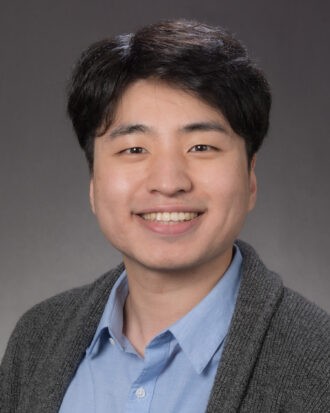
Research Year, 2024–25
Colorectal and Minimally Invasive Surgery Research, Virginia Mason. Surgical Education and Surgical Simulation Research, University of Washington. Surgical Education Research Fellowship (SERF). -
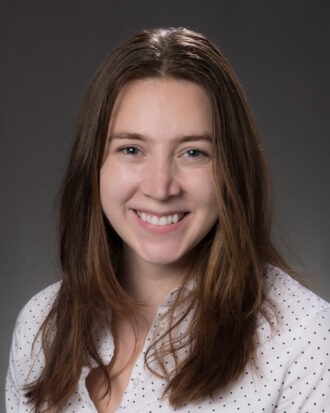
Research Year, 2023–24
-

Research Year, 2022–23
-
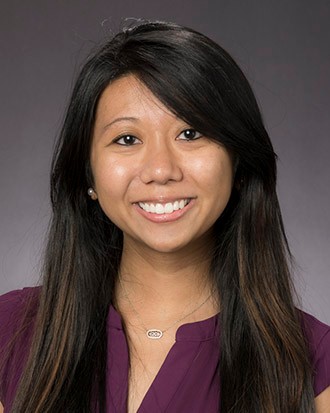
Research Year, 2020–21
Technology in minimally invasic and colorectal surgery, robotic surgical education, Washington state colorectal disease epidemiology, Virginia Mason. -
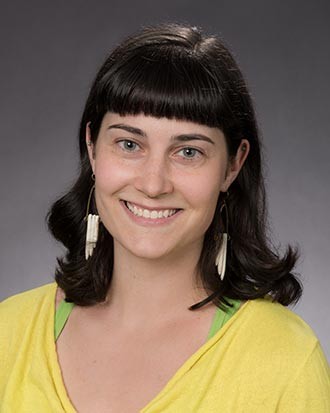
Research Year, 2019–20
Transplant Surgery Research, Virginia Mason. -
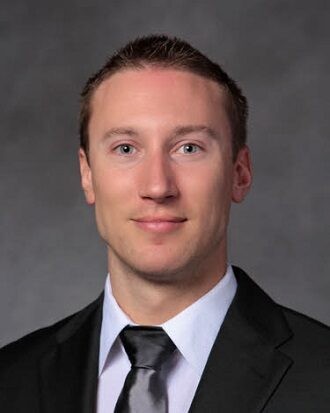
Research Year, 2017–18
Surgical Outcomes, Quality Improvement, Surgical Professional Development & Leadership, Virginia Mason. -
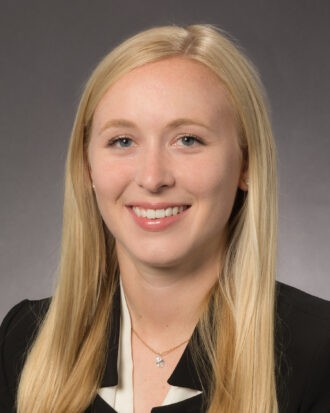
Research Year, 2016–17
Laparoscopic Outcomes Research, Video Based Assessment, Virginia Mason. Surgical Education Surgical Education Research Fellowship (SERF). -
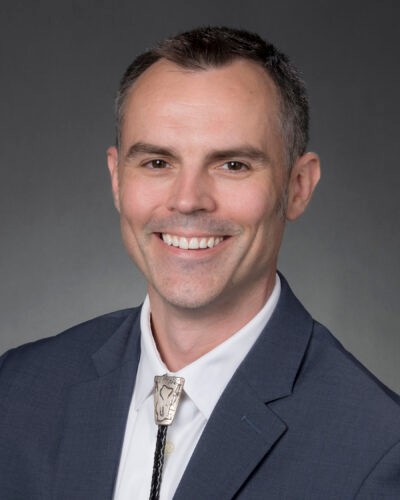
Research Year, 2015–16
Geriatric Trauma Outcome Research, Harborview Medical Center. Surgical Education Research Fellowship (SERF). Thoracic Surgery, Virginia Mason. -
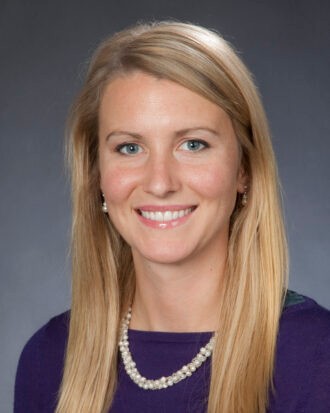
Research Year, 2014–15
Vascular Surgery Research & Clinical Experience, Harborview Medical Center.


Scholarly support
Diverse funding mechanisms
Dedicated resident education fund for surgical education research. Multiple intramural grant funding mechanisms sources.
Institutional conferences
Several annual intramural conferences and research symposia to showcase research progress, refine presentations for national meetings, and foster multidisciplinary collaboration.
Mentorship
All core general, thoracic, and vascular surgical faculty are involved in local, regional, and national research endeavors. They're armed with commitment, interest, and expertise to help make your projects successful.
Society membership & conference attendance
Research-related society membership dues and conference registration fees are reimbursed by the program or our GME department.
Statistical analysis
Unimpeded access to statistical software, consultation services, and data management platforms.
Travel reimbursement
Research-related travel expenses, including flight, hotel, taxis, and food are all reimbursed either via our GME department, the program, or a specific resident education fund.