
What are you looking for?
Where did you receive care?
-
MyVirginiaMason has been replaced with the CommonSpirit Patient Portal.
Learn more. -
Virginia Mason Medical Center & regional centers
Log in to Commonspirit Patient Portal > -
All other locations
Log in to VMFH MyChart >
Rethinking Stroke: A Growing Concern Beyond Older Adults
May 2026
There was once a belief that stroke was something to worry about only in older individuals, but recent trends indicate a shift. New data reveals a surge in stroke cases among younger adults, questioning old perceptions and underscoring a critical need for deeper awareness and early intervention across all age groups.
A Shifting Landscape: Stroke on the Rise in Younger Generations
Data from VMFH and national health organizations clearly illustrate this trend. Stroke is no longer solely a concern for older adults:
VMFH experienced a significant 22.5% increase in stroke patient admissions from 2023 to 2025, with the South and Peninsula regions seeing the most substantial shifts. In that same timeframe, St. Joseph Medical Center in Tacoma saw a 19% increase in stroke admissions for individuals aged 46 to 65 from 2023 to 2025, pointing to the impacts on younger demographics. VMFH projections indicate a continued upward trajectory in future patient admissions across the region.
Nationally, the CDC reports a concerning rise in stroke prevalence among younger adults: between 2020-2022, stroke prevalence increased by 14.6% in adults aged 18-44 years and 15.7% in those aged 45-64 years.
These statistics highlight the increasing relevance of understanding stroke risk factors, particularly risk factors that can be reduced with preventative measures and lifestyle changes. These risk factors include things such as high blood pressure, type 2 diabetes, obesity, and high cholesterol.
The "Silent Killer": Understanding High Blood Pressure
Stroke is the second leading cause of death in the United States, with nearly 800,000 Americans experiencing a stroke each year.
One of the most significant and often overlooked risk factors for stroke is high blood pressure, also known as hypertension. As Dennis Wang, MD, a neurointerventional surgeon at VMFH, emphasizes, "It's largely silent — you can have dangerously high blood pressure with no symptoms at all. That's why it's called the 'silent killer,' and why checking it matters even when you feel fine."
This lack of obvious symptoms makes regular monitoring crucial, even if you feel perfectly healthy.
Your Blood Pressure Numbers: What You Need to Know
Understanding your blood pressure readings is a powerful step in preventing stroke. Dr. Wang breaks down the key figures:
What are the numbers? Blood pressure is measured with two numbers.
- The top number (systolic) represents the pressure in your arteries when your heart beats.
- The bottom number (diastolic) represents the pressure in your arteries when your heart rests between beats.
- Both numbers are important, but Dr. Wang notes that "systolic is a stronger predictor of stroke risk, especially after age 50."
What's a good resting blood pressure reading and when should you be worried?
- Normal: Under 120/80 mmHg
- Elevated: 120-129 / under 80 mmHg
- High (Hypertension): 130/80 mmHg or higher
- Hypertensive crisis: Anything over 180/120 mmHg necessitates immediate emergency care.
Why High Blood Pressure Puts You at Risk for Stroke
Dr. Wang explains the critical link: "High blood pressure damages the lining of blood vessels over time, making them stiffer and more prone to blockages. It also increases the likelihood of clots forming and of weakened vessels rupturing. Roughly 80% of strokes are linked to uncontrolled hypertension."
This constant strain on your blood vessels can lead to two main types of stroke:
- Ischemic stroke: Occurs when a blood clot blocks blood flow to the brain, often due to narrowed or hardened arteries.
- Hemorrhagic stroke: Occurs when a blood vessel in the brain ruptures, causing bleeding.
Taking Control: Lowering Your Blood Pressure and When to Seek Help
The good news is that high blood pressure is often manageable. Dr. Wang recommends starting with lifestyle modifications:
- Reduce sodium intake: Limit processed foods and be mindful of salt in your diet.
- Move more: Regular physical activity helps strengthen your heart and lower blood pressure.
- Manage stress: Find healthy ways to cope with stress, such as exercise, meditation, or hobbies.
- Limit alcohol consumption: Excessive alcohol can raise blood pressure.
- Maintain a healthy weight: Losing even a small amount of weight can significantly impact blood pressure.
When to Seek Medical Attention:
Consistent high readings: "If readings are consistently 130/80 or higher despite lifestyle changes, it's time to talk to a doctor about medication," advises Dr. Wang.
Home monitoring: Dr. Wang highly recommends getting a blood pressure monitor, "especially if you have a family history of hypertension or stroke. Home monitoring gives you real-world data rather than a single snapshot in a clinic, which can be affected by 'white coat' anxiety."
Emergency situation: "If you're at 180/120, don't wait — go to the nearest emergency department." This is a hypertensive crisis and requires immediate medical attention.
How to Recognize the Signs of a Stroke
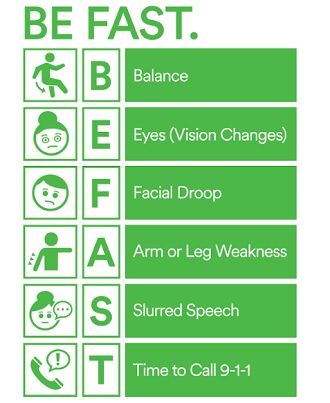
Recognizing the signs of a stroke and acting quickly is paramount. This can significantly reduce the potential for long-term disability. Dr. Wang urges everyone to remember the acronym BE-FAST:
Balance: Sudden loss of balance or coordination.
Eyes: Sudden vision changes in one or both eyes.
Face drooping: One side of the face droops when smiling.
Arm weakness: Weakness or numbness in one arm.
Speech difficulty: Slurred speech or trouble understanding speech.
Time to call 911: If you notice any of these symptoms, even if they seem to go away, call 911 immediately. "Don't wait to see if symptoms go away," stresses Dr. Wang.
Be Proactive. Be Aware. Be FAST.
Being informed about blood pressure and knowing your numbers, adopting healthy lifestyle choices, and being able to recognize stroke symptoms can significantly reduce your risk and potentially save a life. Take the proactive steps needed to protect your brain health.
By understanding your own risk, you can also help prevent stroke. Complete a stroke questionnaire today.