
What are you looking for?
Where did you receive care?
-
MyVirginiaMason has been replaced with the CommonSpirit Patient Portal.
Learn more. -
Virginia Mason Medical Center & regional centers
Log in to Commonspirit Patient Portal > -
All other locations
Log in to VMFH MyChart >
Colon Cancer in Young Adults: It's Time We Talked (and Acted) About a Rising Concern
March 2026
March is Colorectal Cancer Awareness Month, and while colon cancer has traditionally been associated with older adults, there's a troubling and urgent trend raising concern: colon cancer is on the rise in young people, and far too often, it’s caught too late.
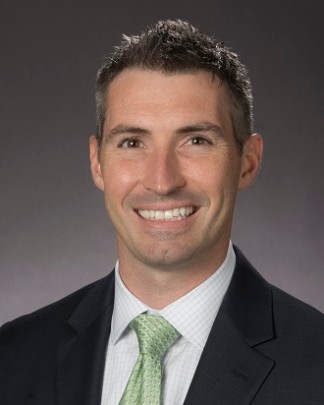
Vlad Simianu, MD, MPH, a colorectal surgeon at Virginia Mason Franciscan Health (VMFH), echoes this sentiment; the trend is alarming. Almost every week, he cares for patients who are young adults, often just starting families and careers, battling colon or rectal cancer.
“There is a sense of urgency,” said Dr. Simianu. Colon cancer in young people isn't a rare occurrence anymore. “Colorectal cancer is the second most common cancer,” Dr. Simianu said. “In men under 50, it will soon be the most common cancer,” he continued.
But there is good news. “At VMFH, we are good at taking care of all levels of the cancer, from getting people screened and diagnosed early, to treating both the early and advanced stages of the cancers,” Dr. Simianu said. “Across our specialties, we're really good at getting people cured of colorectal cancer.”
Why the Delay? Shifting Our Mindset on "Normal" Symptoms
Part of the problem stems from a lingering, outdated mindset. Experts at VMFH believe altering how we perceive symptoms in younger individuals could save lives. Some signs of colorectal cancer have historically been dismissed.
“Bleeding is a common symptom,” says Dr. Simianu. “Bleeding that doesn't go away or persists, pain in your gastrointestinal tract, pain with bowel movements, pain with eating, and change in your bowel habits can also be symptoms.” Other symptoms can include unexplained weight loss or new, persistent changes in stool consistency or frequency.
“Many things can explain any of those symptoms by themselves,” says Dr. Simianu. “Bleeding in your gastrointestinal tract can come from hemorrhoids. Change in your diet can lead to a change in bowel habits. Weight loss can be intentional. And for many years when those symptoms were described by patients, cancer wasn't at the forefront of what we were thinking about.”
But this mindset needs to quickly change.
“Now, we've sort of pivoted to say, ‘If you're in your thirties and you have rectal bleeding, it's probably hemorrhoids, but if it doesn't get better with interventions, it could be something else.’”
Dr. Simianu says that’s when a colonoscopy can help. A colonoscopy is a procedure that allows physicians to see inside a person’s colon and rectum using a thin, flexible tube with a camera. Colonoscopy is considered the gold standard for finding and removing pre-cancerous polyps, and potentially an early stage colon or rectal cancer.
The American Cancer Society recommends people at average risk for colon cancer start regular screening at age 45. “So that’s when you should start if you have no symptoms or other risk factors,” says Dr. Simianu. “However, if you have a family or personal history of cancer, or polyps, or those symptoms that could be a sign of colorectal cancer, it may make sense to get your colonoscopy earlier.”
"The colonoscopy is typically the procedure that diagnoses the cancer,” said Dr. Simianu. “At VMFH, every patient that gets a cancer diagnosis is reviewed at a colon cancer tumor board, a multidisciplinary conference where all the surgeons, cancer doctors, radiologists, pathologists, and several other specialists are present. Whether you have early stage cancer in a polyp or advanced stage cancer, you have the whole cancer team thinking about you. That happens before you even start treatment. We create a personalized plan for each patient. It's like the metal detector at the airport, everyone goes through, making sure everyone's got a plan and they're safe.”
Knowing Your Risk Factors
Understanding your risk factors for colon cancer is a crucial step towards prevention and early detection. Colorectal cancer often starts as small, treatable polyps in the colon. It’s important to also note that not every polyp is cancerous, but some polyps can develop into cancer over time.
“If you think of the colon as a tube, the cancer can grow inside of it, and when it's small, it might not bleed,” he said, acknowledging that bleeding is one of the most common symptoms. Other symptoms of cancer might be pain, change in bowel habits, or weight loss. “Symptoms are what ultimately lead young patients to get a colonoscopy. But those symptoms unfortunately also come once the cancer is more advanced.”
Early detection through regular screenings is incredibly effective at finding and treating polyps before they become a serious threat. You can also better understand your personal risk using this simple questionnaire.
Key Risk Factors Include:
- Inflammatory bowel disease (Crohn's disease or ulcerative colitis)
- A family history of colorectal cancer or polyps
- Obesity
- Lack of physical activity
- Certain diets: Those low in fiber, fruits, and vegetables, or high in red and processed meats and unhealthy fats.
- Alcohol use
- Smoking
- Known genetic syndromes (e.g., Lynch syndrome, FAP)
When to Talk to a Doctor: Don't Dismiss Your Symptoms
It's time to normalize discussions around bowel changes and bleeding. These conversations may not be glamorous, but they can save lives. If you are experiencing any of the following persistent symptoms, it is crucial to schedule an appointment with a doctor to get checked out:
A persistent change in bowel habits: This includes new or worsening diarrhea, constipation, or a noticeable change in the consistency or shape of the stool (e.g., narrower stools).
Rectal bleeding or blood in the stool: This could appear as bright red blood on toilet paper or in the bowl, or dark, black, or tarry stools.
Persistent abdominal discomfort: Such as new or unexplained cramps, gas, or pain that doesn't go away.
A feeling that the bowel doesn't empty completely.
Unexplained weakness or fatigue: Often a sign of anemia caused by blood loss.
Unexplained weight loss: Think of it as more than 10lbs you lost in the last month without intention.
Even if these symptoms come and go, or seem minor, it's critical not to ignore them. Always seek a professional opinion. A doctor can help determine the cause of your symptoms and, if needed, guide you through further diagnostic steps.
Virginia Mason Franciscan Health: Your Partner in This Urgent Fight
At VMFH, a dedicated team of experts across the cancer care specialties determines the best treatment options, utilizing a myriad of approaches including surgery, radiation, chemotherapy, and immunotherapy. The team’s approach to colorectal cancer care is comprehensive, personalized, compassionate, and highly collaborative, ensuring each patient receives the best possible outcome.
Early Detection Leads to Better Outcomes — Act Now!
Early detection saves lives. If you are experiencing any of the persistent symptoms mentioned above, please don't hesitate. When colorectal cancer is detected and treated in its earlier stages, the cure rate can be over 90%. If you’re not sure where to turn, contact your primary care physician or schedule an appointment with a VMFH gastroenterologist today.
If you are 45 years of age or older, or have any risk factors, talk to your doctor about colon cancer screening.
VMFH is hosting a free virtual event on March 31 at 6 p.m. You can learn more about colorectal cancer in younger people and get tips from experts about early detection and prevention.